What I learned from crowdfunding a children's book
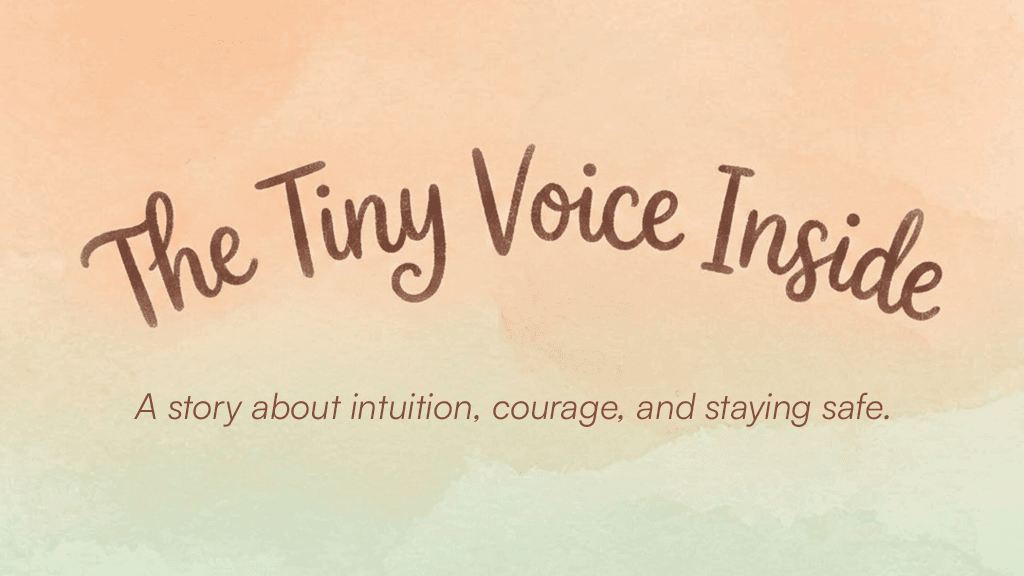
Hi, folks! I'm Kelly, co-founder at CatCow :) I spend much of my time helping bring other people's creative ideas to life. But recently, I found myself on the other side of the production process when I decided to create a children's book of my own.
The inspiration came from a scary situation that I experienced with my daughter while out shopping. As a storyteller, I used my skills to help us both cope and process the events, and eventually decided to write it down. Those words became,“The Tiny Voice Inside.”
But it was missing something important: visuals :)
Like most independent creators, I didn't have a big budget sitting around to fund the project. I had an idea, a story I believed in, and a vision for what the finished book could become, experience working on children’s book illustrations, and a great network of talented illustrators at my fingertips. What I didn't have was the money to commission the illustrations, produce and print the book, and get it into people's hands.
So I turned to crowdfunding.
I launched a Kickstarter campaign using a pre-order model that allowed people to support the project by purchasing the book in advance.
The idea was straightforward: people would help fund the production, and in return, they'd receive something tangible: a beautifully illustrated children's book.
It seemed like a natural fit. But the experience taught me quite a bit about what it actually takes to fund a creative project via crowdfunding. And I want to share that experience with others.
So, here are three things I learned along the way.
1. Having a network isn't the same as having an audience
Going into the campaign, I felt like I had a pretty good network to draw from. I had friends, family, current and former coworkers, and years of professional connections. I assumed I could reach out to those people, share the project, and build enough momentum to get things moving.
What I underestimated was the difference between having people in your network and having an audience that's invested in what you're creating.
People might know you, like you, and want to support you. But that doesn't necessarily mean they've been following your creative work or are ready to purchase something from you.
Looking back, I wish I'd spent more time building an audience before launching the campaign. Sharing the story behind the book, introducing the concept, showing early sketches, and bringing people along for the creative process could have helped establish interest well before I asked anyone to make a purchase.
Crowdfunding isn't just about announcing a project and asking people to support it. It's about building a community around the project before you launch.
2. I was building my identity as an author at the same time I was trying to sell a book
This one was a little more personal.
For most of my professional life, I've worked in marketing, content, and creative production. Being a children's book author wasn't something people associated with me. In fact, it wasn't something I'd really associated with myself until I started working on this project.
Suddenly, I was introducing myself as a children's book writer, explaining what I was creating, and asking people to support it…all at the same time.
In retrospect, that's a lot to ask of an audience.
I wasn't just introducing a new book. I was introducing a new side of myself.
Building credibility and recognition around a creative identity takes time. People need opportunities to understand what you're doing, why you're doing it, and what makes your work worth paying attention to.
If I were starting over, I'd spend more time establishing that identity before launching the campaign. I'd share more of the writing process, talk about what inspired the story, and let people get to know me as a creator before asking them to become early supporters.
3. Don't make crowdfunding responsible for funding everything
Perhaps the biggest lesson was recognizing that crowdfunding doesn't necessarily need to be the entire funding strategy.
It's tempting to approach a platform like Kickstarter as the solution to a financial problem: I need a certain amount of money to make this book, so I'll set a fundraising goal and try to raise it.
But fundraising is its own discipline. It takes planning, marketing, relationship-building, consistent communication, and a significant amount of time and energy.
And that's on top of actually making the thing you're trying to fund.
If I were approaching this project again, I'd explore a combination of funding sources from the beginning. Depending on the project, that might mean creative grants, arts funding, partnerships, sponsorships, personal investment, or crowdfunding.
Crowdfunding can be a great way to validate interest, generate early sales, and build a community around a project. But it doesn't have to carry the entire financial burden.
A more diversified approach might make the creative process a lot less dependent on the success of a single campaign.
So, where are we now?
Despite the learning curve, Tiny Voice Inside is moving forward, and I'm excited about where it's headed.
We've completed all of the initial sketches and have started the illustration process. Seeing the story take shape visually has been one of the most rewarding parts of the experience.
We're planning to move into book layout in December, with the goal of getting the books printed and into supporters' hands in January or February.
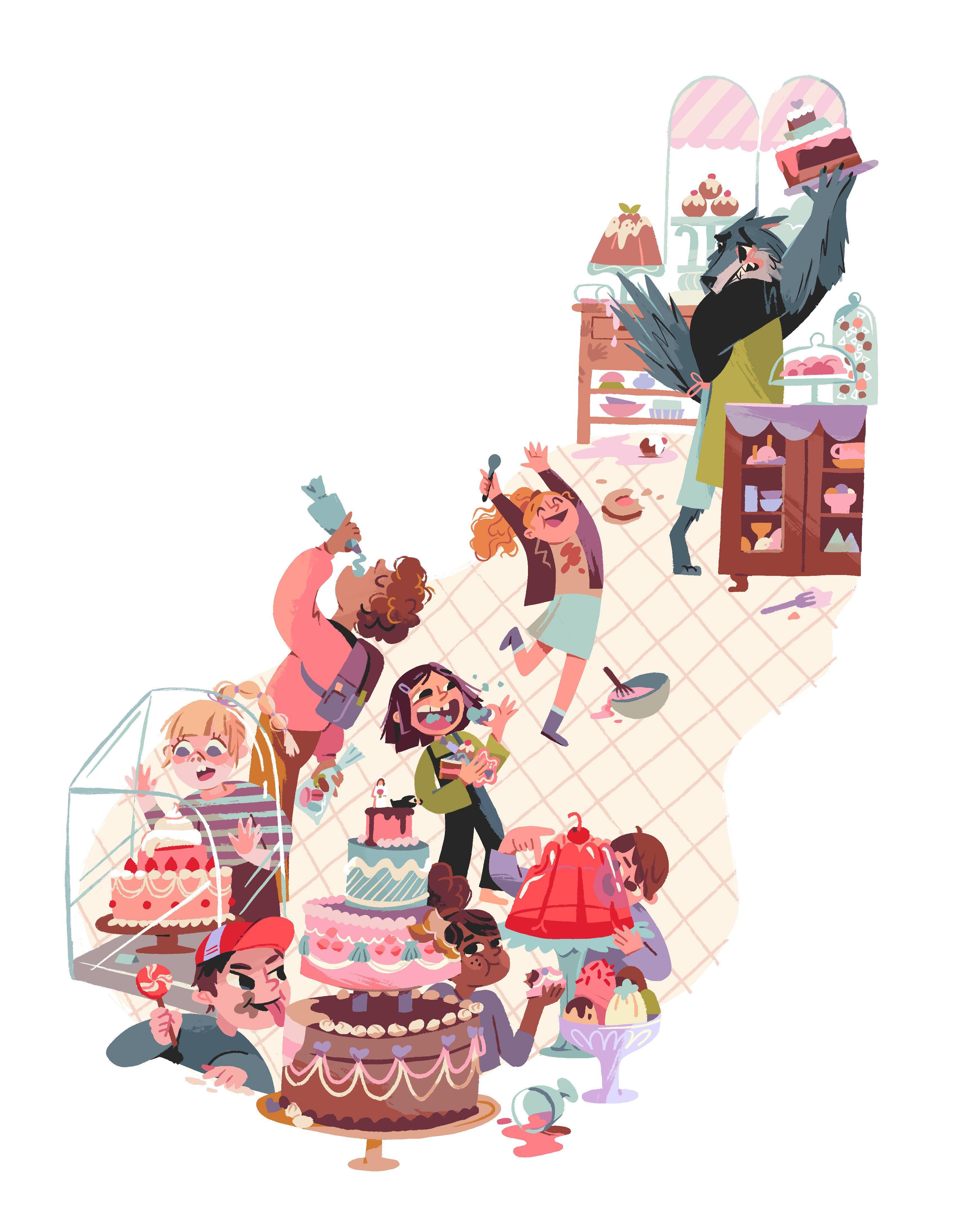
And if you missed the original campaign, you can still pre-order Tiny Voice Inside through Kickstarter.
A final thought
Creating something from scratch is a vulnerable process. Whether you're making a book, producing an independent film, developing an animation, or launching a creative business, there's often a gap between having an idea and having the resources to bring it to life.
Crowdfunding can help bridge that gap, but it isn't a shortcut. It requires its own strategy, audience, and investment of time.
My biggest takeaway? Start building your audience before you need it. Give people a reason to care about what you're creating, bring them along for the journey, and don't be afraid to explore more than one way to fund your idea.
And perhaps most importantly, give yourself permission to learn as you go.