Animating the archive: How we brought historical photographs and documents to life
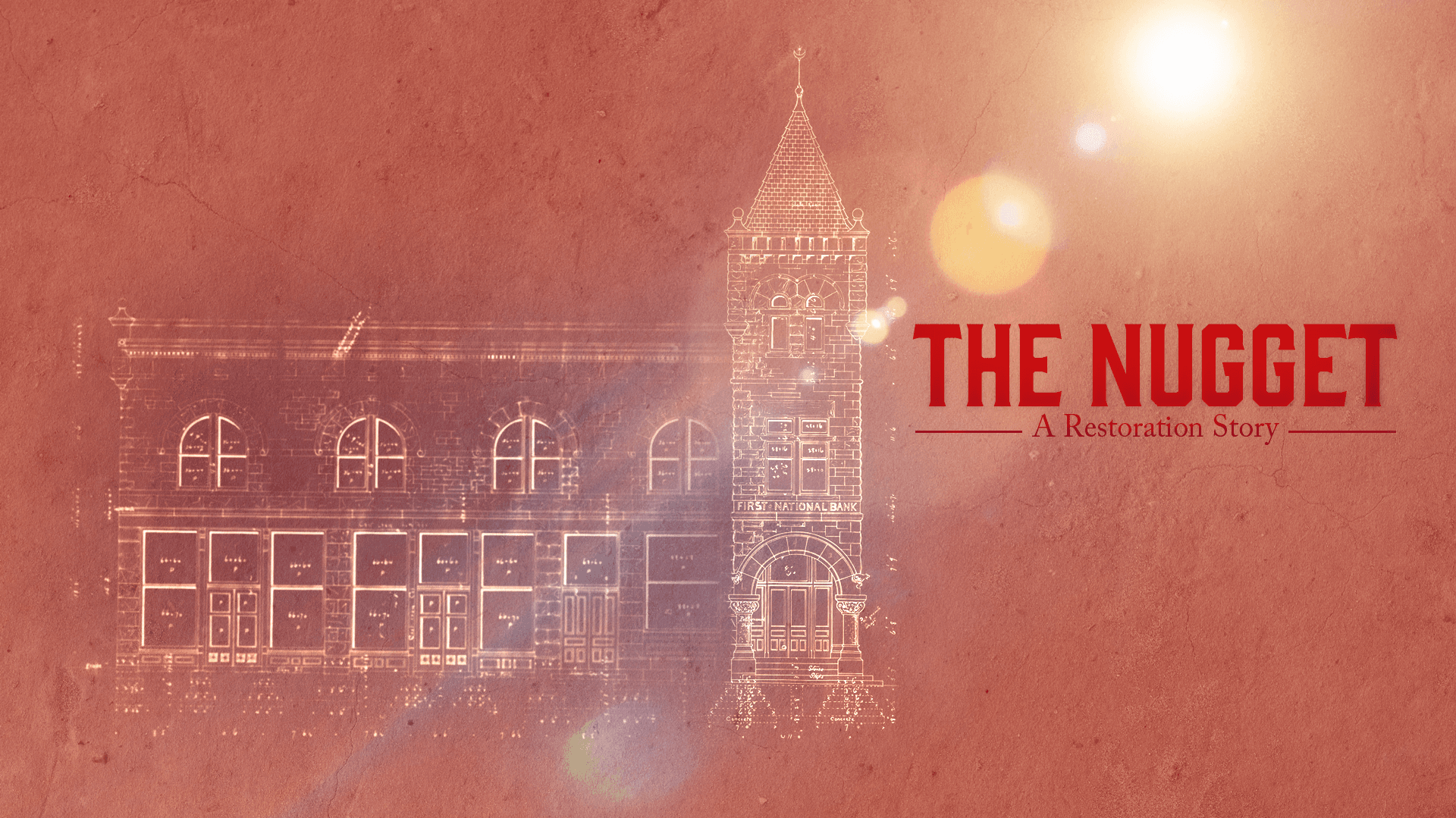
Historical documentaries often have a visual challenge: the story may span decades, but the footage available to tell it can be limited.
For The Nugget: A Telluride Restoration Story, we were lucky to have an incredible collection of original archival material to work with.
There were architectural blueprints, historical photographs, the original deed from when L.L. Nunn purchased the land, newspaper articles, and other documents that helped tell the story of how The Nugget came to be.
Our job wasn't simply to put those materials on screen.
We needed to find ways to bring them into the documentary as part of the storytelling and to create visual moments that could break up interview sequences, accompany narration, and help the audience understand the history unfolding on screen.
Starting with the archive
One of the things that made The Nugget particularly interesting was the character of the archival material itself.
The original architectural drawings became an especially important visual element. They were beautiful, detailed, and inherently connected to the building and its history.
We had already used the architectural diagrams as the foundation for the film's opening title sequence, so we wanted the animated sequences within the documentary to feel like they belonged to that same visual world.
Rather than introducing an entirely different visual style every time archival material appeared, we continued to build from the language we had established in the titles.
Blueprints became backgrounds. Original photographs became visual elements. Historical documents became something the audience could move through rather than simply look at.
Making a newspaper come alive
One sequence involved a journalist reading from a newspaper article in voiceover.
We recreated the page from the Telluride News and used the newspaper itself as the visual foundation for the sequence.
The animation was intentionally subtle.
Rather than turning the page into a highly animated graphic, we used gentle camera movement and restrained text animation to guide the viewer through the article while the journalist's voice carried the story.
The goal wasn't to compete with the narration. It was to give the narration somewhere to live visually.
Showing history unfolding
In another sequence, we needed to visualize the progression from the moment L.L. Nunn purchased the land to the eventual construction of The Nugget.
This gave us an opportunity to combine several different pieces of archival material into one visual story.
We used a blueprint-inspired background as the foundation, then layered in original architectural diagrams and historical photographs.
Instead of presenting each document individually, we could show the relationship between them; the land, the plans, the building, and ultimately the history that developed around it.
The animation gave us a way to move through that history.
Letting the archive remain the archive
There can be a temptation when animating historical material to make it feel polished and contemporary.
We wanted to do almost the opposite.
The character of the original materials was part of what made them compelling. The handwriting, paper, architectural drawings, photographs, and typography all carried information about the time period.
So rather than trying to hide those qualities, we used them.
In many cases, that meant very simple things: a slow camera move across a document, a photograph appearing within a blueprint, text being revealed as it is discussed in the narration, or several archival elements coming together to show a progression over time.
The movement could be subtle because the material itself was doing so much of the storytelling.
Finding the movement that's already there
The Nugget gave us a chance to explore what happens when you treat archival material not simply as something to display, but as something you can use to build a visual narrative.
The goal isn't to turn an old photograph or document into something it isn't.
It's to find the movement that's already waiting inside it, and use that movement to help tell the story.
By the way... The Nugget: A Telluride Restoration Story is now streaming on PBS.
Working on a documentary with archival material that needs a little more life? We'd love to talk.